Advancing Climate Transparency: Global Launch of IPSASB’s First Sustainability Reporting Standard
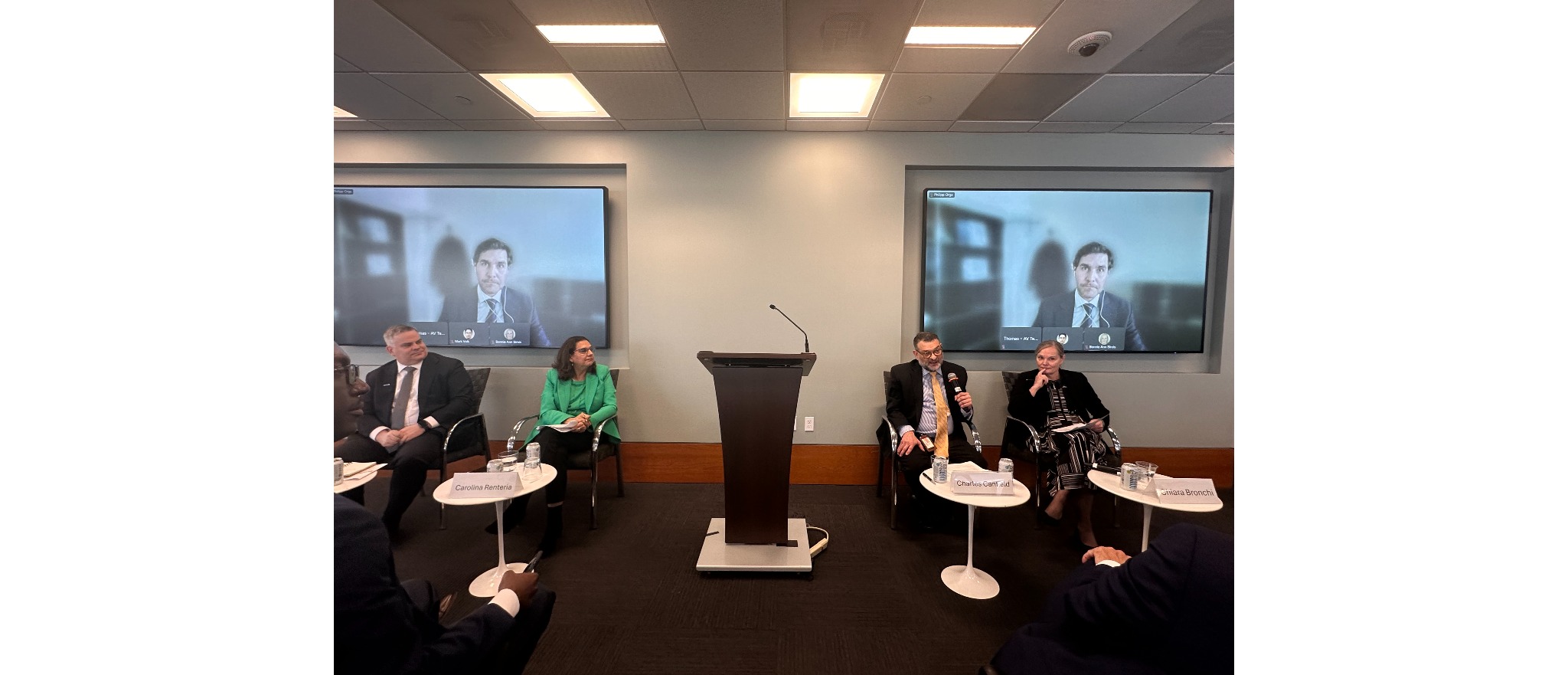
On March 24, 2026, the World Bank Group (WBG), in partnership with the International Public Sector Accounting Standards Board (IPSASB), convened global leaders in Washington, DC for the official launch of IPSASB SRS 1: Climate-related Disclosures, the first sustainability reporting standard developed specifically for the public sector.
Held at the WBG’s headquarters, the hybrid event brought together senior representatives from international financial institutions, standard setters, governments, and the private sector, marking a major step forward in strengthening climate transparency, accountability, and decision-making in public finance.
A global baseline for public-sector climate reporting
Climate change presents systemic challenges for governments, affecting fiscal stability, service delivery, and long-term development planning. Yet, until now, the absence of standardized sustainability reporting frameworks tailored to the public sector has limited comparability and coordination.
Issued on January 29, 2026, IPSASB SRS 1 establishes a global baseline to enable public institutions to identify, manage, and disclose climate-related risks and opportunities in a consistent and decision-useful way. It is designed to complement global frameworks, including the Paris Agreement’s Enhanced Transparency Framework, and to support governments in strengthening evidence-based policy, managing climate risks, and mobilizing climate finance.
From standard setting to implementation
Discussions during the launch underscored that the value of SRS 1 will ultimately depend on effective implementation – requiring institutional coordination, reliable data systems, and integration into core public financial management processes. Participants emphasized how sustainability reporting can enhance investor confidence, improve access to capital, and reduce uncertainty around non-financial risks, particularly for countries seeking to scale climate finance and sustainable investment.
Building on growing global momentum, participants also highlighted early implementation efforts, including IFC’s support to governments through its advisory work. For example, initial country-level engagement is already underway, such as Tanzania’s hosting its first Public-Sector Sustainability Reporting Workshop on IPSASB SRS 1, reflecting rising demand for practical guidance and capacity building.
IFC contribution and Beyond the Balance Sheet
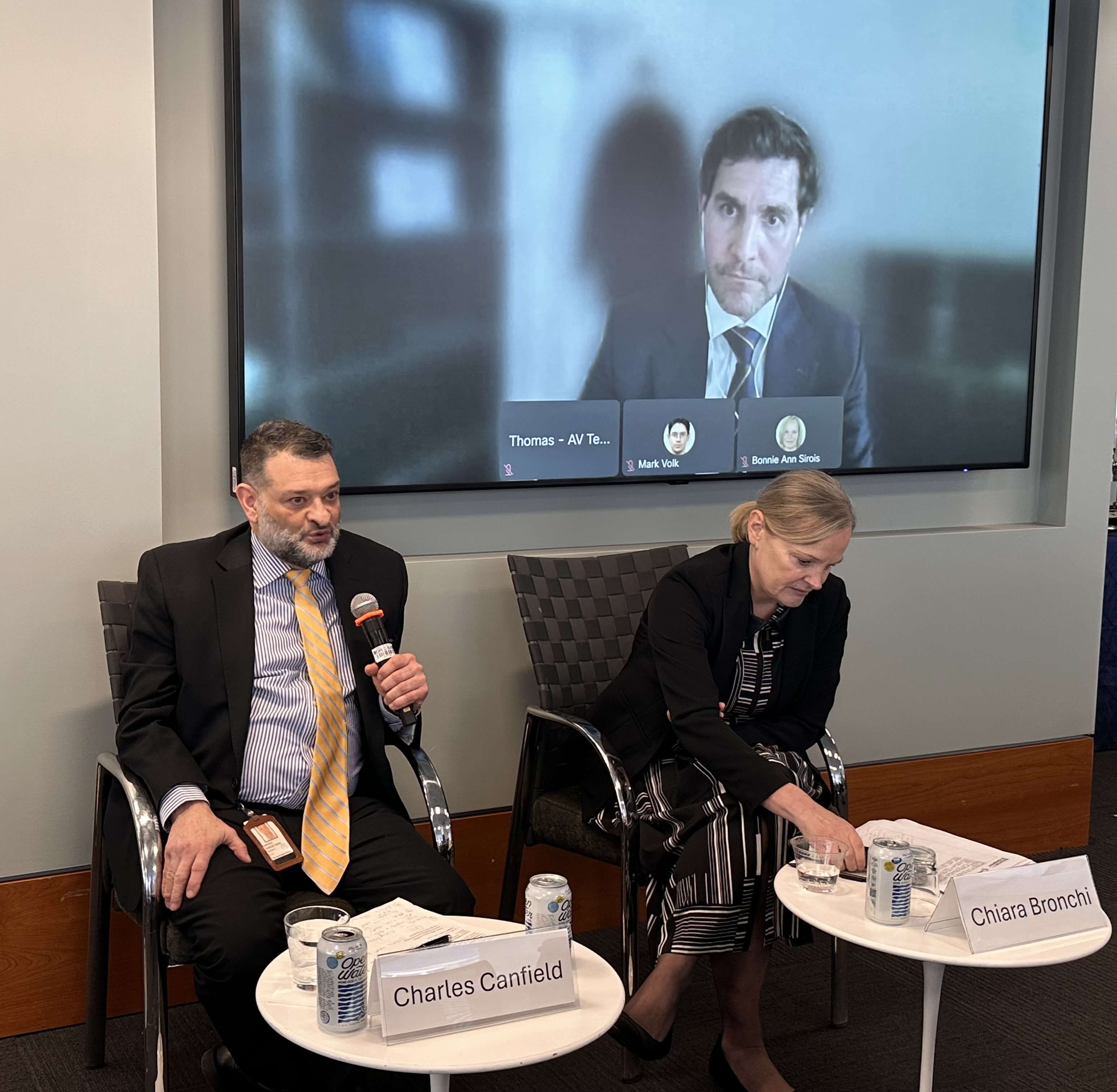
IFC played an active role in the event, bringing its private-sector perspective to inform public-sector adoption. Charles (Chuck) Canfield, Manager of IFC’s Corporate Governance team, contributed insights on how lessons from corporate sustainability reporting—particularly aligned with ISSB standards—can support governments in operationalizing SRS 1.
This work is anchored in IFC’s Beyond the Balance Sheet (BBS) program, which supports market-level adoption of sustainability disclosure frameworks. By bridging private- and public-sector practices, BBS is helping create more coherent reporting ecosystems and advancing a whole-of-economy approach to climate transparency.
Distinguished participants
The event brought together a high-level group of speakers and contributors, including:
- Arturo Herrera, Global Director for Governance, World Bank
- Thomas Müller-Marqués Berger, Chair, IPSASB
- Zinga Venner, Vice President and Controller, World Bank
- Ross Smith, Program and Technical Director, IPSASB
- Carolina Renteria and Claude Wendling, International Monetary Fund
- Oscar Garcia, Green Climate Fund
- Alexandre Dabbou, UN Trade and Development (UNCTAD)
- Heather Taylor, EY Canada
- Philipp Orga, SECO
- Svetlana Klimenko, World Bank
- Charles Canfield, Manager, Corporate Governance, IFC
Their perspectives reflected a broad coalition committed to advancing consistent, high-quality sustainability disclosures across both public and private sectors.
Looking ahead
The launch of SRS 1 marks a critical milestone in aligning global efforts to improve climate-related disclosure. As countries move toward adoption, the focus will increasingly shift to implementation pathways, capacity building, and integration into national systems.
By establishing a common language for climate-related disclosures in the public sector, SRS 1 has the potential to drive more transparent governance, strengthen fiscal resilience, and unlock the scale of investment needed to address climate challenges.
How SRS 1 aligns with global standards
IPSASB SRS 1 is closely aligned with ISSB’s IFRS S1 and S2, adopting the same core pillars—governance, strategy, risk management, and metrics and targets—while adapting them to public-sector mandates.
- ISSB focuses on investor decision-making and financial materiality
- SRS 1 expands this to public accountability, policy outcomes, and service delivery
- Both frameworks aim to improve consistency, comparability, and decision-useful disclosures across markets