IFC supports Nepal’s transition to sustainability reporting through regulatory development and capacity building
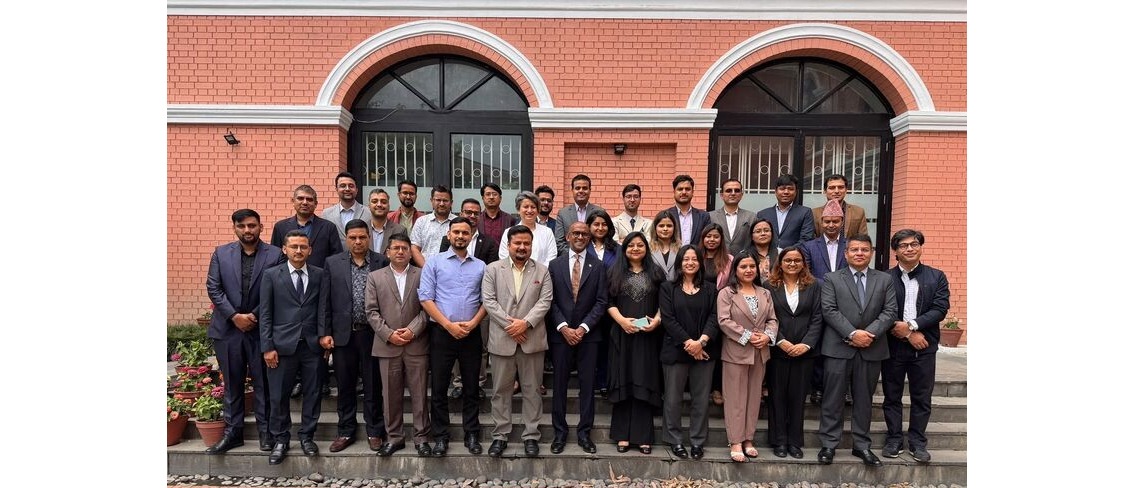
The International Finance Corporation (IFC) through its Integrated ESG (IESG)Nepal Project, in collaboration with the Accounting Standards Board (ASB) of Nepal, is advancing sustainability reporting in the country through a combination of regulatory support, public consultation, and targeted capacity building under its broader ESG advisory work. These efforts are closely aligned with the development of the Nepal Sustainability Reporting Standards (NFRS S1 and S2), which build on the International Sustainability Standards Board (ISSB) framework.
A key milestone in this process was the public consultation and information-sharing session on NFRS S1 and S2 exposure draft held in Kathmandu on May 20, 2026 and June 10 2026; and in Nepal’s industrial capital Biratnagar on June 23, 2026 . Organized jointly by IFC and ASB Nepal, the session convened listed companies, regulators, and technical experts, across sectors to gather feedback on the draft standards and inform future regulatory development. The consultation aimed to raise awareness of emerging disclosure requirements, share experiences from similar markets and capture stakeholder input on implementation challenges, while strengthening collaboration between IFC and national authorities.
IFC’s contribution to the regulatory agenda has been complemented by a strong focus on capacity building. In May 2026, IFC supported a two-day Sustainability and Climate Disclosures Training of Trainers (ToT) program in Kathmandu, followed by two subsequent ToT sessions in June, 2026. These programs were designed to develop a local pool of trainers capable of supporting companies in adopting sustainability-related financial disclosure practices aligned with global standards.
The ToT sessions focused on practical implementation of the ISSB-aligned framework, covering governance, strategy, risk management, and metrics and targets – the four core elements of sustainability-related financial disclosures. Participants engaged in applied exercises, including climate scenario analysis, risk management approaches, and the preparation of sustainability reporting templates, helping translate regulatory concepts into actionable practices for Nepali companies.
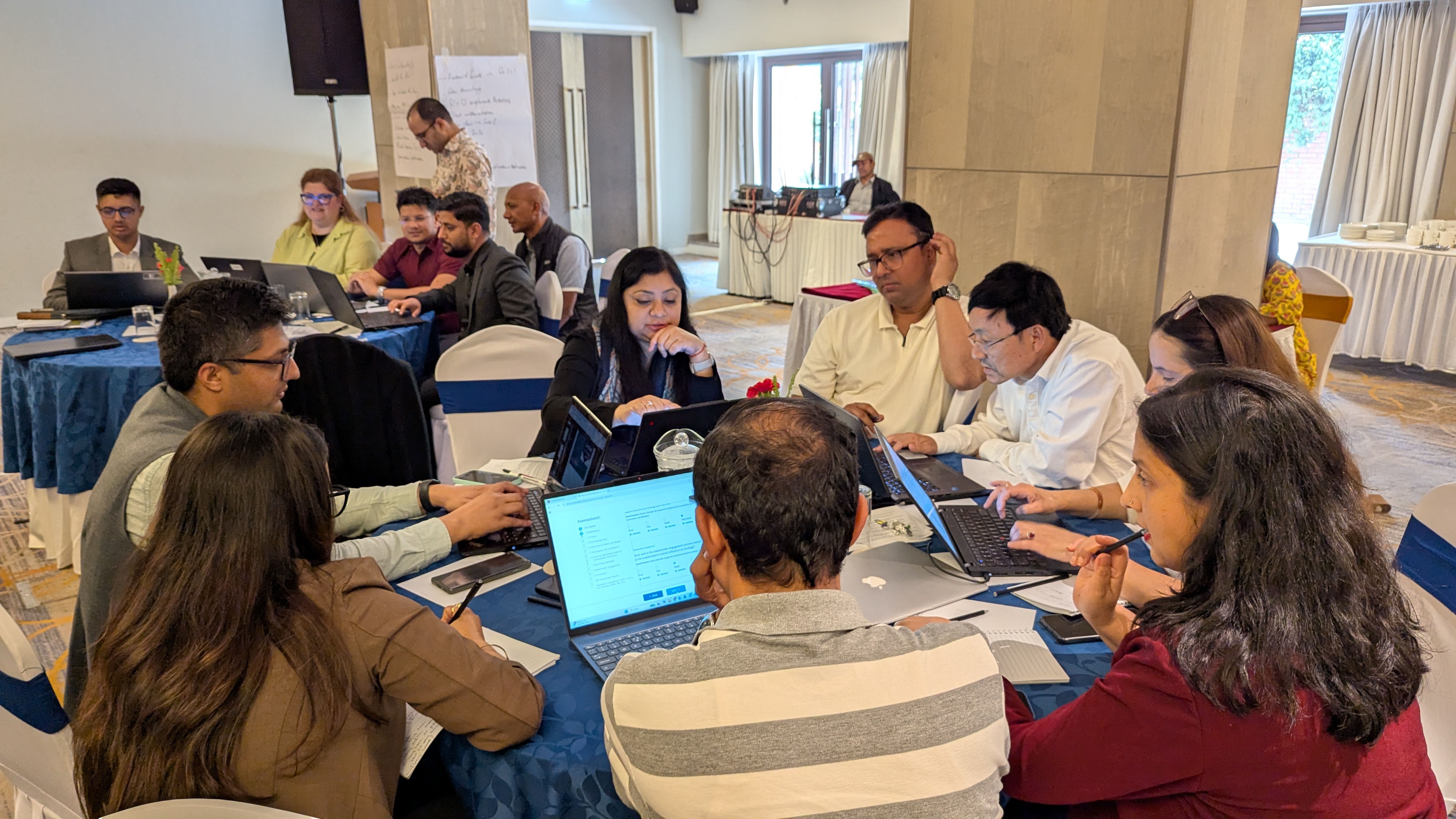
Through these trainings, IFC also promoted its Beyond the Balance Sheet platform as a key knowledge resource. The platform provides guidance, tools, and e-learning modules to support companies, regulators, and market participants in navigating the sustainability reporting landscape and aligning with global standards.
Leadership from IFC has played a central role in delivering both the technical content and strategic direction of these initiatives. Lopa Rahman, IFC ESG Officer and the lead for Nepal IESG advisory project, has been closely involved in supporting regulators and delivering training content across South Asia. Ralitza Germanova, Corporate Governance Officer and lead of the Beyond the Balance Sheet program, has contributed to both the development of guidance materials and delivery of sessions on governance, disclosure practices, and practical tools for implementation.
These efforts are part of IFC’s broader Nepal IESG project and reflect a coordinated approach to strengthening sustainability disclosure ecosystems. By combining regulatory advisory, stakeholder engagement, and hands-on training, IFC is supporting Nepal’s transition toward a more transparent and investor-relevant reporting framework aligned with global standards. Nepal’s experience illustrates how emerging markets can operationalize ISSB-aligned standards through an integrated approach by combining standard-setting, consultation, and capacity building. For other jurisdictions, this model highlights the importance of aligning regulatory development with practical implementation support, ensuring that companies are equipped not only to comply with new standards but to embed sustainability considerations into governance, strategy, and decision-making processes.